Comparing Organic vs. Wool Mattresses: Materials, Comfort, and Longevity
A practical guide to choosing between organic mattresses and wool-filled options. Explore material characteristics, durability, temperature regulation, and care considerations to help you pick a sleep surface that fits your lifestyle.
Keywords: organic mattresses, wool mattresses, materials comparison, sleep comfort, mattress longevity, care and maintenance
In the quiet hours before dawn, sleep quality becomes a daily negotiation between what we choose to lie upon and how well our bodies adapt to it. For many, the decision narrows to a familiar dichotomy: organic mattresses built from certified materials, or wool-filled mattresses that lean into natural fibers and temperature regulation. Both options promise a kinder relationship with the planet and a healthier night’s rest, yet they diverge in structural philosophy, care requirements, and long-term performance. This comparative piece draws on material science, consumer experience, and expert perspectives to illuminate what truly matters when selecting a sleep surface.
What qualifies as "organic" in bedding?
Organic certification in mattresses generally hinges on three pillars: organic feedstock (fibers and foams derived from organic farming), organic processing (methods that minimize synthetic additives and contaminants), and independent verification by recognized bodies such as GOTS (Global Organic Textile Standard) or OEKO-TEX certifications. When a mattress is labeled “organic,” it often signals the absence of conventional pesticides in the cotton cover, organic wool or latex that meet strict sourcing standards, and a manufacturing process designed to reduce chemical exposure for sleepers. However, the term can be uneven in its application across brands and product lines, so readers are well advised to check certifications and read the supplier's stated methodology.
A key distinction with wool-filled mattresses is that wool itself can be certified organic, but wool is also a natural fiber used across non-organic systems. The interplay between a wool fill and an organic outer cover—often cotton jersey or cotton sateen—shapes both the feel and the environmental footprint of the final product. When evaluating organic vs. wool options, look for the alignment of multiple certifications (cotton, wool, latex if present), a transparent materials list, and explicit statements about flame retardants and laundering recommendations.
Material traits at a glance
Organic Mattresses
Organic mattresses emphasize synthetic-free construction and traceable supply chains. The core often relies on organic latex (Dunlop or Talalay) or natural foams derived from plant-based or mineral sources, encased in certified organic cotton. The advantages include a clean, chemical-reduced sleep surface and strong feedback from sleepers with chemical sensitivities or allergies to certain flame retardants. Durability tends to be strong where latex layers persist over years, and many organic builds incorporate wool batting as a natural fire barrier, which also contributes to temperature regulation.
Care considerations include keeping the surface dry, avoiding harsh cleaners, and rotating layers if the configuration allows. Because latex layers can be modular, some organic systems enable layer exchange or reconfiguration to adapt to evolving comfort needs. Longevity varies with the latex type (Dunlop vs. Talalay) and the density of the layers, but a well-built organic unit can deliver a decade or more of consistent performance with proper support.
Wool-Filled Mattresses
Wool-filled mattresses harness natural fibers to regulate temperature, wick moisture, and cushion the body. Wool’s innate moisture management helps sleepers stay drier and cooler in warm climates and warmer in cooler seasons. Wool also acts as a flame retardant in many designs, reducing the need for synthetic barriers. The density of the wool fill and its loft determine the overall firmness and contouring. Wool is resilient and tends to recover well after compression, contributing to long-term shape retention.
Care for wool-filled systems typically involves spot cleaning and minimal washing, with many designs recommending professional cleaning for larger soiled areas. Wool’s natural properties can resist dust mites and allergens when properly treated, but the overall allergen experience depends on the entire cover construction and the cleanliness of the sleep environment. Expect a slightly different care rhythm than with conventional foam or hybrid mattresses.
Use cases: when each shines
Hot sleepers and climate control
Wool’s natural breathability can help maintain a more stable sleeping temperature across seasons. For hot sleepers who crave airflow without a noisy or crunchy surface, wool-filled mattresses offer a calm, temperature-regulated experience. Organic latex layers in many organic builds also provide a breathable, springy feel that supports cool nights, especially when paired with a latex topper or breathable cover.
Allergy-aware and chemical sensitivity
For sleepers sensitive to chemical additives, organic mattresses and wool-filled designs that emphasize natural materials and transparent certifications can offer a comforting alternative to conventional foams. Look for third-party certifications, explicit flame-retardant strategies, and minimal use of synthetic adhesives in the build.
Care, longevity, and real-world durability
The longevity of any mattress rests on a combination of core materials, cover construction, and user habits. Organic latex tends to resist sagging because of its resilient elasticity, while wool-filled layers rely on the loft of the wool to maintain cushioning. Over time, a well-taired organic latex setup may show steady wear, yet remains supportive for many sleepers. Wool densities and spinning can flatten gradually, but wool’s loft can rebound after airing and periodic rotation.
A practical approach to longevity includes rotating the mattress to promote even wear, protecting it with a breathable cover, and following the manufacturer’s cleaning guidelines. For wool, routine inspection of the wool fill’s loft and any seam performance helps catch compression early. For organic latex, periodic checks for any surface indentation let you know when a replacement or layer adjustment is warranted.
A quick-frame comparison for decision-making
- Certifications and sourcing High transparency with caveats
- Temperature regulation Wool excels; latex is solid
- Care requirements Organic: simple; Wool: low maintenance
- Durability outlook latex: strong; wool: resilient loft
- Allergen and sensitivity profile Depends on cover and assembly
A look at a representative product: Savvy Rest Serenity Latex Mattress
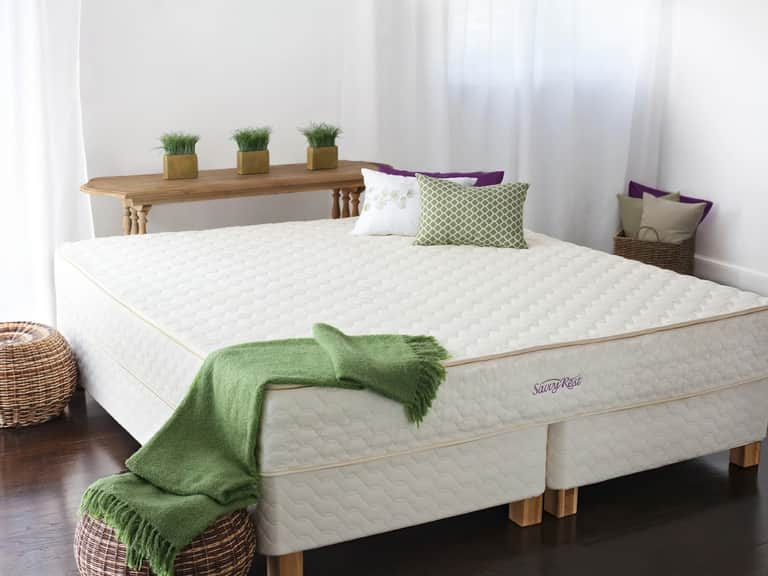
In the market for a premium, customizable organic latex experience, Savvy Rest’s Serenity Latex Mattress stands out for its modular architecture and emphasis on natural materials. The Serenity layers can be arranged to suit firm, medium, or soft preferences, with a wool-filled organic cotton casing that doubles as a natural flame barrier. The system is crafted in the United States and backed by a 20-year warranty, offering a long horizon of dependable performance.
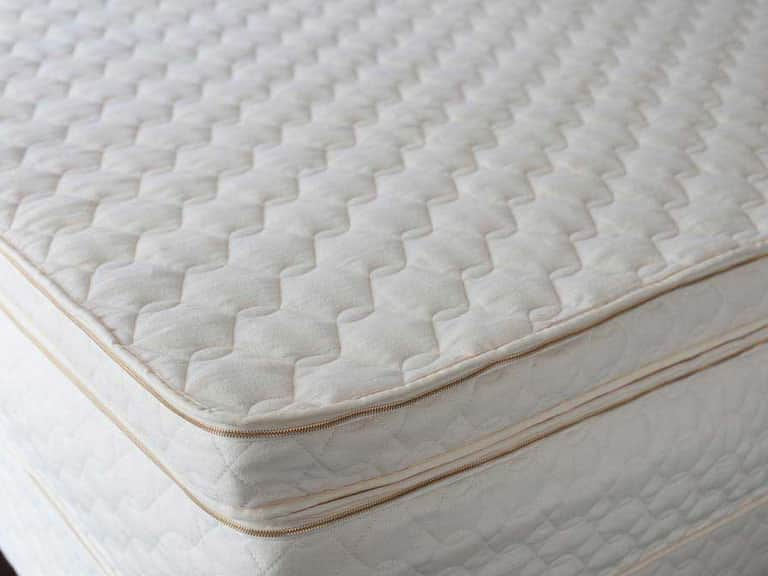
The Serenity framework uses all-organic Dunlop or Talalay latex in layers that sleepers can customize. The outer cover is 100% certified organic cotton, with wool quilted inside to enhance temperature regulation and flame resistance. The design supports adjustable bases, making it a versatile choice for couples with differing sleep needs or for those who anticipate changing support preferences over time.
- Height: 10 inches
- Layer customization: soft, medium, firm options
- Cover: 100% organic cotton; wool batting inside
- Origin: Made in the USA
- Warranty: 20 years
- Care: spot clean; professional cleaning recommended for stains
Note: The Serenity mattress exemplifies how an organic foundation paired with natural wool can deliver a balanced feel, strong longevity, and a health-conscious profile. In practice, shoppers should compare layer configurations, surface feel preferences, and maintenance expectations, especially if pet ownership or child spaces influence the sleep environment.

The Serenity system’s combination of organic latex, wool, and cotton aligns with a growing consumer interest in transparent, natural materials. For readers evaluating longevity against comfort, the Serenity offers a tangible case study in how modular design and high-quality organic components translate into durable performance over time.
Three key thinkers across time
Hypatia of Alexandria (c. born 350–370 AD)
Though centuries away from modern sleep science, Hypatia’s insistence on empirical reasoning and rational inquiry laid groundwork for scientific skepticism. In discussions about materials—what is natural, what is synthetic—her spirit embodies the call to test claims about comfort, health, and durability with careful observation and reasoning.
W. Edward Deming (1900–1993)
A figure of process improvement, Deming’s emphasis on quality control, data-driven decision making, and continuous refinement resonates with today’s approach to mattress development. In the organic vs. wool debate, Deming would applaud structured testing, reproducible results, and transparent reporting of material performance under real-world conditions.
Dr. Matthew Walker (b. 1978)
A contemporary sleep scientist who bridges neuroscience and practical living, Walker’s work on sleep cycles and restorative processes informs how mattress design can influence sleep quality. His research underscores the importance of consistent, high-quality sleep, a reminder that material choices affect not just comfort but the architecture of sleep itself.
Bottom line: how to decide between organic and wool
For readers drawn to purity, certification, and a chemical-minimized environment, an organic mattress—especially one with organic latex and cotton coverings—offers a robust path to a clean sleep surface. If you prioritize natural fiber comfort, temperature regulation, and a nuanced approach to loft, a wool-filled mattress delivers a compelling, breathable alternative that can adapt with seasons and sleeping patterns. The right choice hinges on your climate, allergies, movement patterns, and willingness to engage with care routines that suit the build.
For shoppers who want a concrete framework, consider the following: certification checks, material lists, layer configurations, warranty terms, and laundering guidance. The Savvy Rest Serenity example demonstrates the strength of a transparent, customizable approach to luxury organic sleep, while the wool pathway invites exploration into natural insulation and moisture management as a daily comfort factor.
Practical next steps for readers
- Audit certifications: Confirm GOTS, Global Organic Latex Standard (GOLS) or OEKO-TEX verification for coverings and core materials.
- Define your climate and temperature needs: Wool excels in regulation, organic latex contributes to breathability; combine with breathable covers for optimal comfort.
- Request a materials breakdown: Ask for layer-by-layer descriptions, including wool loft, latex density, and any adhesives used.
- Understand care guidance: Spot cleaning vs. full cleaning, drying times, and whether covers are removable and machine washable.
- Consider long-term support needs: Firmness options, adaptability to adjustable bases, and warranty coverage that ensures performance over years.
Conclusion
As sleep science evolves, the interplay between material choice and nightly rest becomes more nuanced. Organic mattresses and wool-filled options each bring distinct strengths to the table: organic builds emphasize clean processing, transparent certifications, and modular latex layering; wool-filled designs champion natural insulation, moisture management, and low-maintenance comfort. By approaching the selection with a rigorous eye for certifications, care requirements, and long-term durability, readers can discover a sleep surface that aligns with both health aspirations and daily living. In the end, the goal is simple: better sleep, responsibly sourced, durably built, and thoughtfully cared for.
Note: The Savvy Rest Serenity Latex Mattress and Harmony Topper featured above illustrate practical examples in the organic-latex family, with configurations that underscore customization and natural materials. All imagery and product references are provided for educational context and illustrate typical features discussed in this article.